
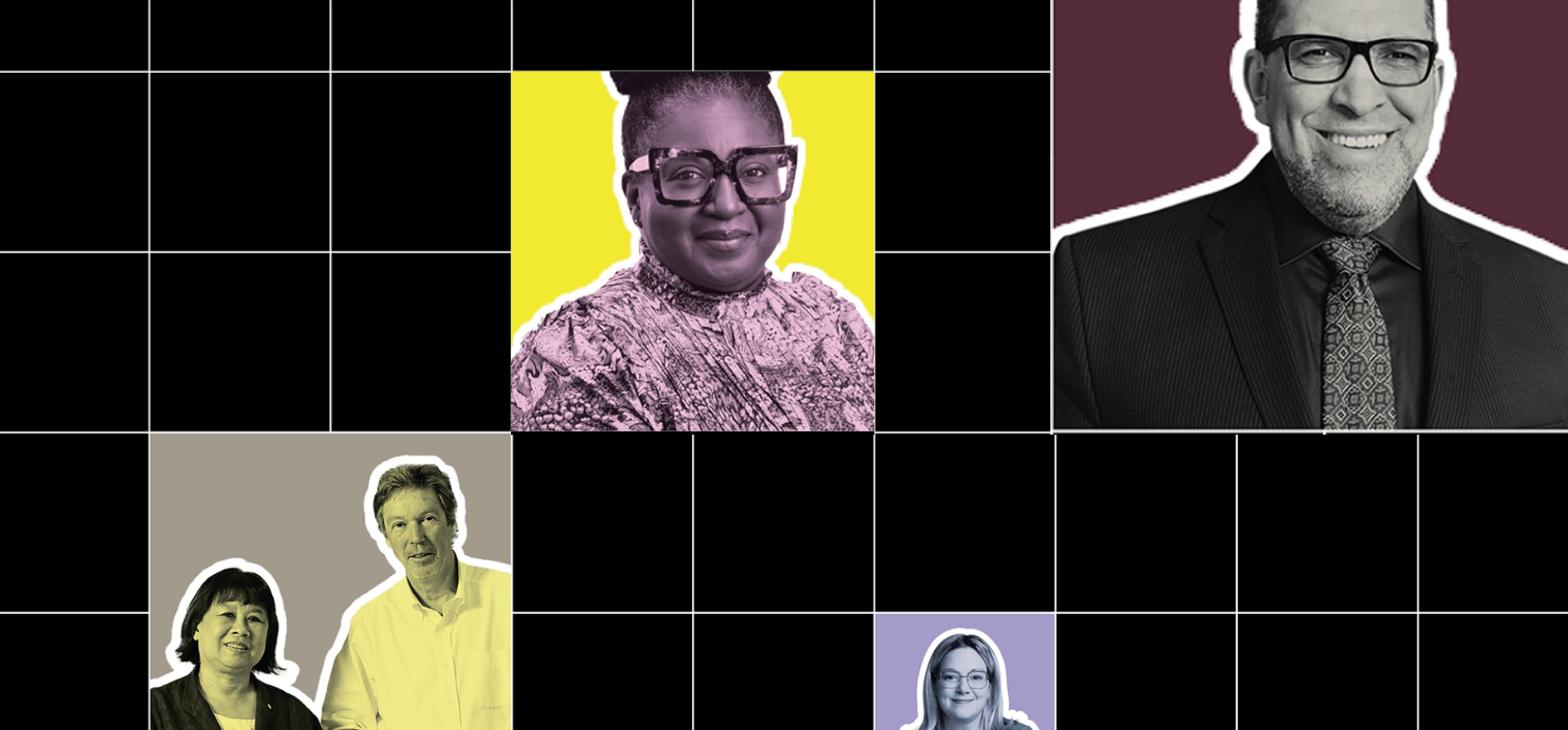
The BHEL Director Dr. Notisha Massaquoi has been named one of the 50 most influential Torontonians for 2022. Dr. Massaquoi was recognized for her role leading the advisory board that developed Toronto Police Service’s new race-based data collection policy, the first of its kind in Canada.
Massaquoi led the advisory board that developed the Toronto Police Service’s new race-based data collection policy, the first of its kind in Canada. How does collecting race-based data help fight racism in the force?
The power of data is that it speaks the truth. You can’t talk about solutions until you look honestly at the problem. In the past, the Black community was gaslit into believing that our concerns weren’t valid or that police were justified in their actions.
Was there a particular incident that convinced the police board to collect this data?
The death of Andrew Loku, a 45-year-old Black man who was killed by police during a mental health call, was a turning point. The inquiry into his death resulted in the formation of the Anti-Racism Advisory Panel, which I joined in 2017.
What have you learned from the data so far?
Police in Toronto are 230 per cent more likely to use force against an unarmed Black person than they are against a white person. And Black people represented 39 per cent of use-of-force incidents, more than quadruple our percentage of the population.
What needs to happen next?
The only way to show that this is unacceptable is to hold perpetrators responsible. I hope the new chief has both the humility to accept the failures and the flexibility to address them.
Source: Toronto Life